Iron or garment steamer: the advantages of a steamer
Why a garment steamer is more convenient than an iron: it's safer for fabrics and hands, works on different materials, is ready to use faster and takes up…
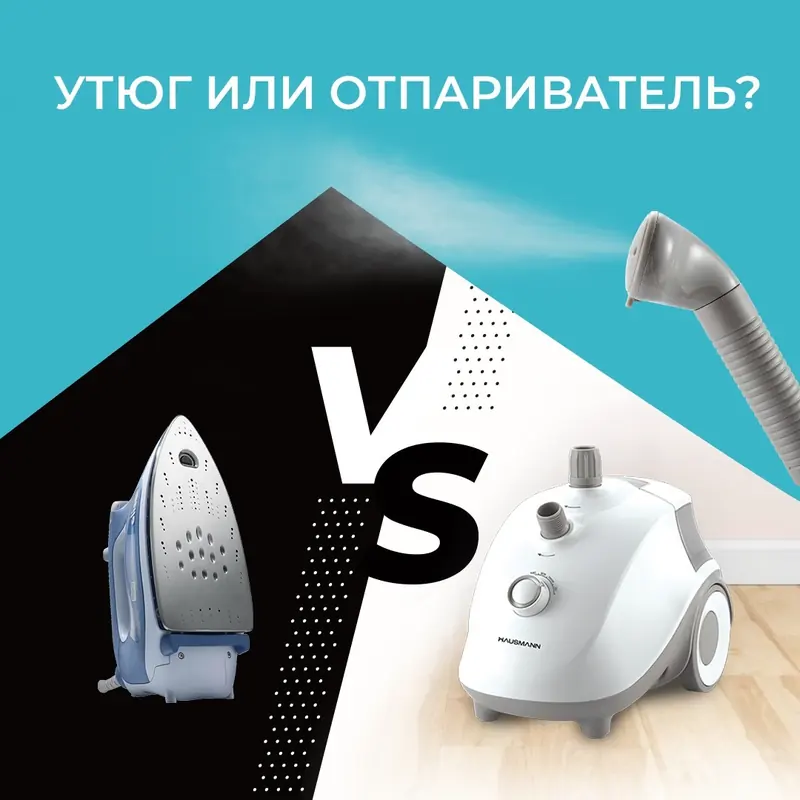
Advantages of a garment steamer over an iron
- Safety: no contact with a hot surface — safe for delicate fabrics and garments with prints or appliqués, with less risk of burns.
- Versatility: suitable for all kinds of fabrics — from silk to cotton and linen.
- Time savings: no need to set the temperature for each fabric; the steamer is ready about 40 seconds after you switch it on.
- Less risk of damaging fabric: used correctly, it leaves no heat marks on sensitive fabrics.
- Convenience: a steamer is easier to handle, and the long hose and nozzle help you reach awkward spots.
- Multifunctional: some models can scent clothes or freshen up curtains, soft toys and other home textiles vertically.
- Space-saving: takes up less room than an iron and ironing board — handy for small apartments.
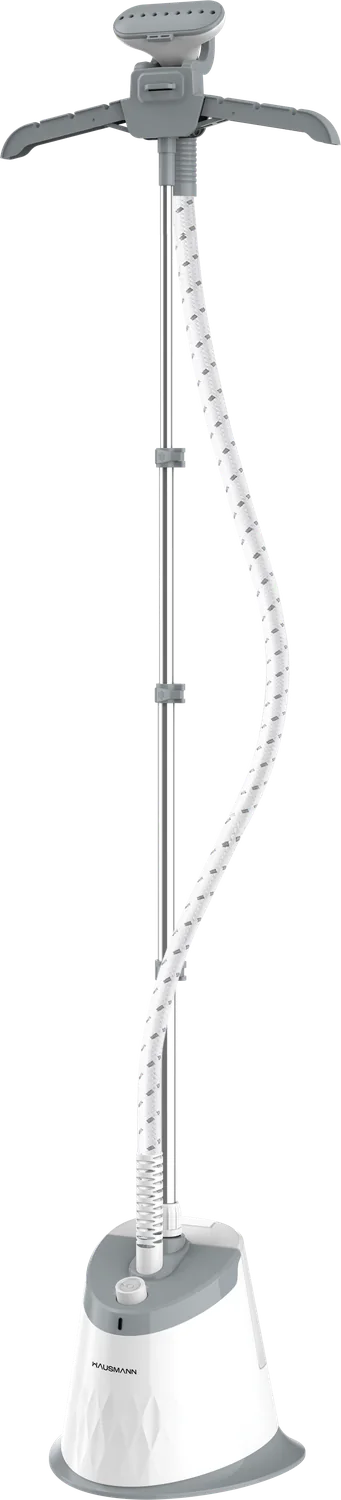 HGS-8060 Garment Steamer
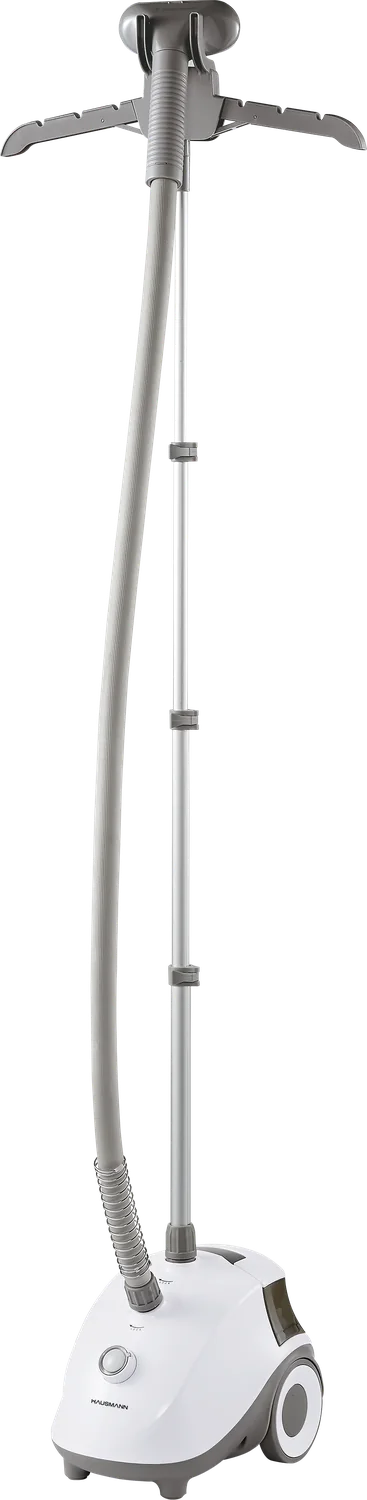 HGS-8070 Garment Steamer
More tips
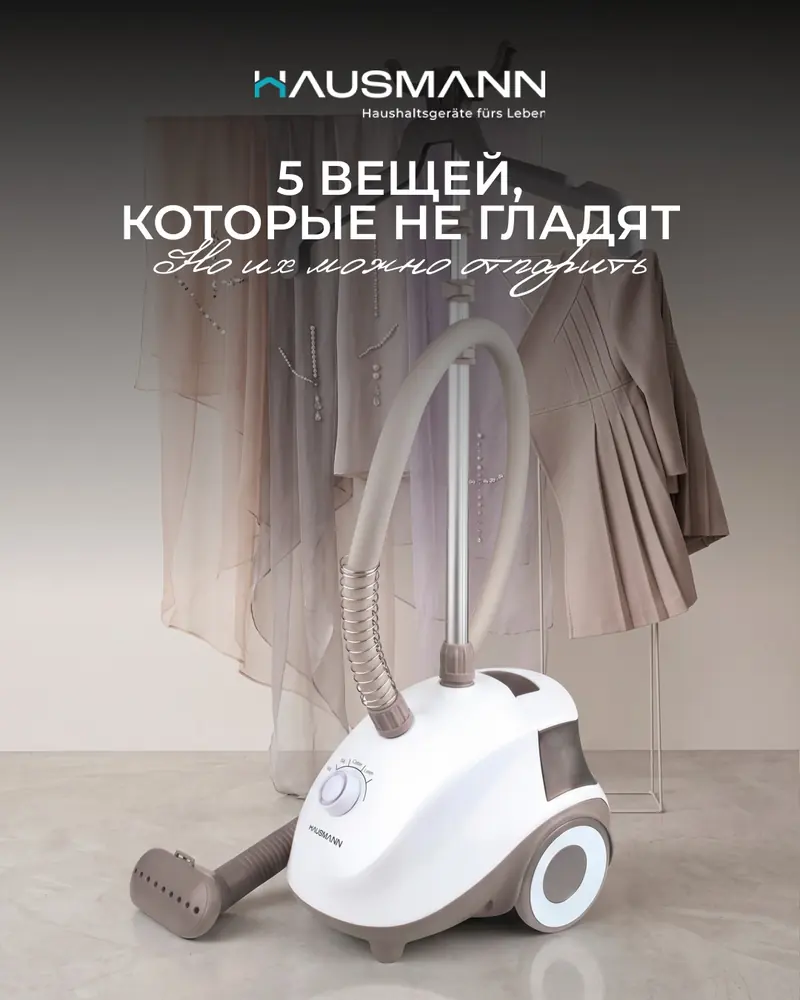
5 things you should steam, not iron
Which items are safer and easier to treat with a garment steamer than with an iron: delicate fabrics, embellished pieces, outerwear, intricate cuts and chunky knits. Plus a quick hack for getting creases out faster.
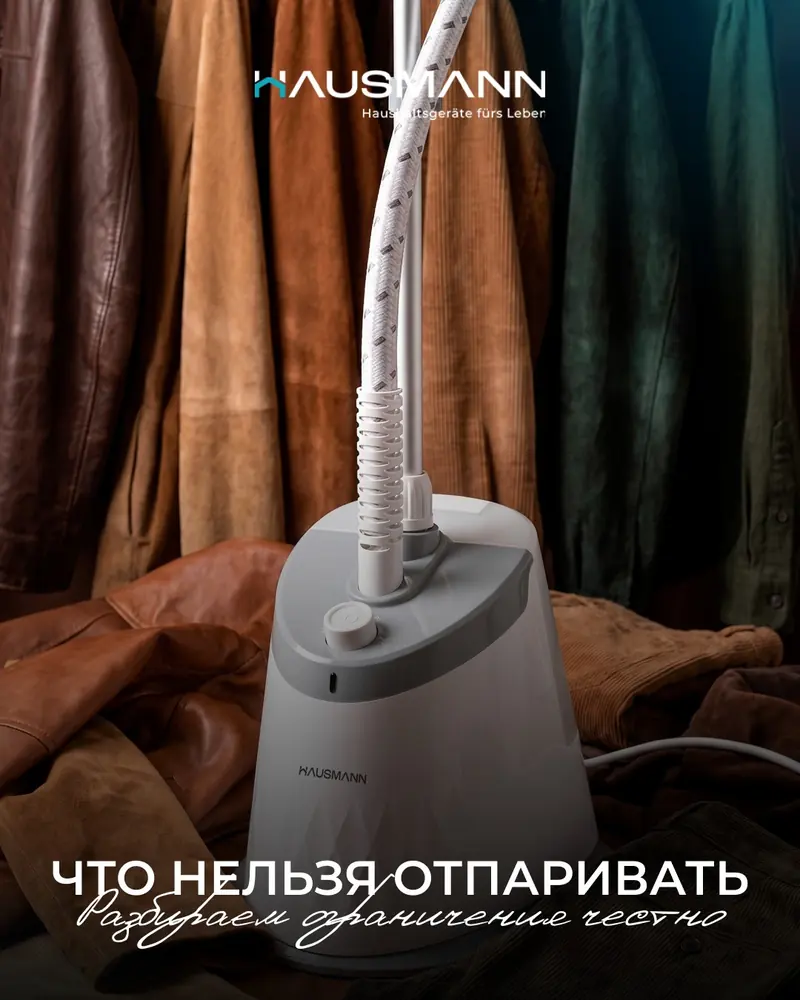
What not to steam
A garment steamer is versatile, but not all-powerful: corduroy and velvet, items with grease stains, leather and suede all need a different approach. Cotton, linen, wool, cashmere, synthetics and knitwear, on the other hand, can always be steamed.
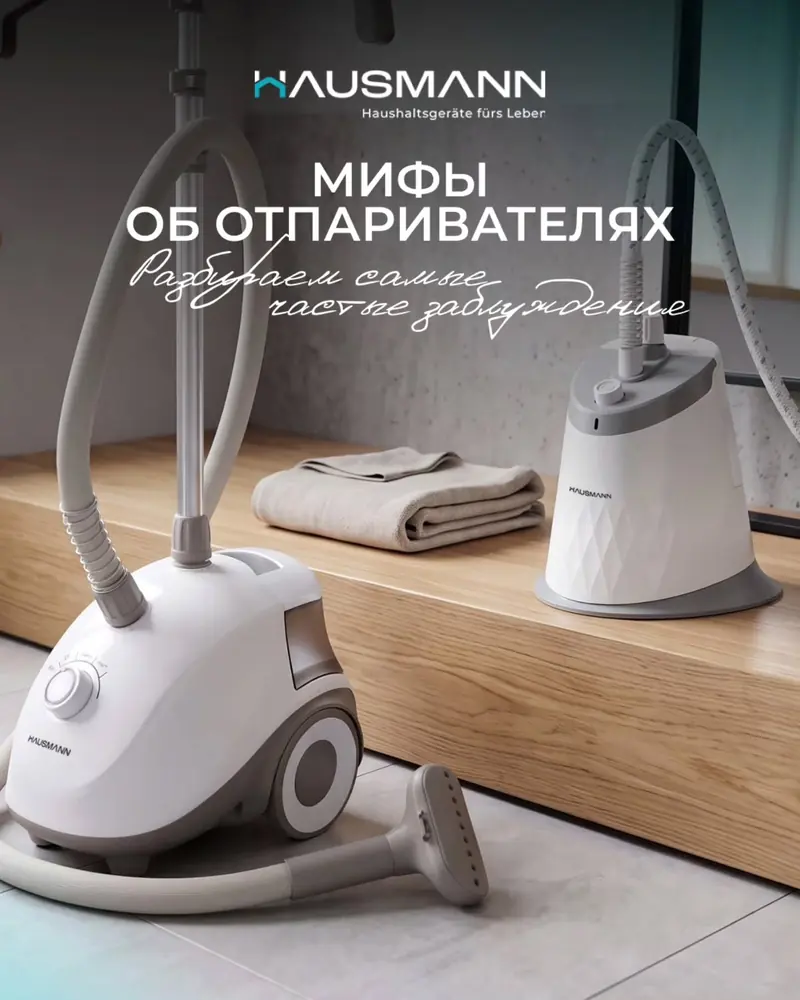
Garment steamer myths
We bust four common myths about garment steamers: how well they handle heavy fabrics, how safe they are for delicate materials, how fast they are and how easy they are to use.